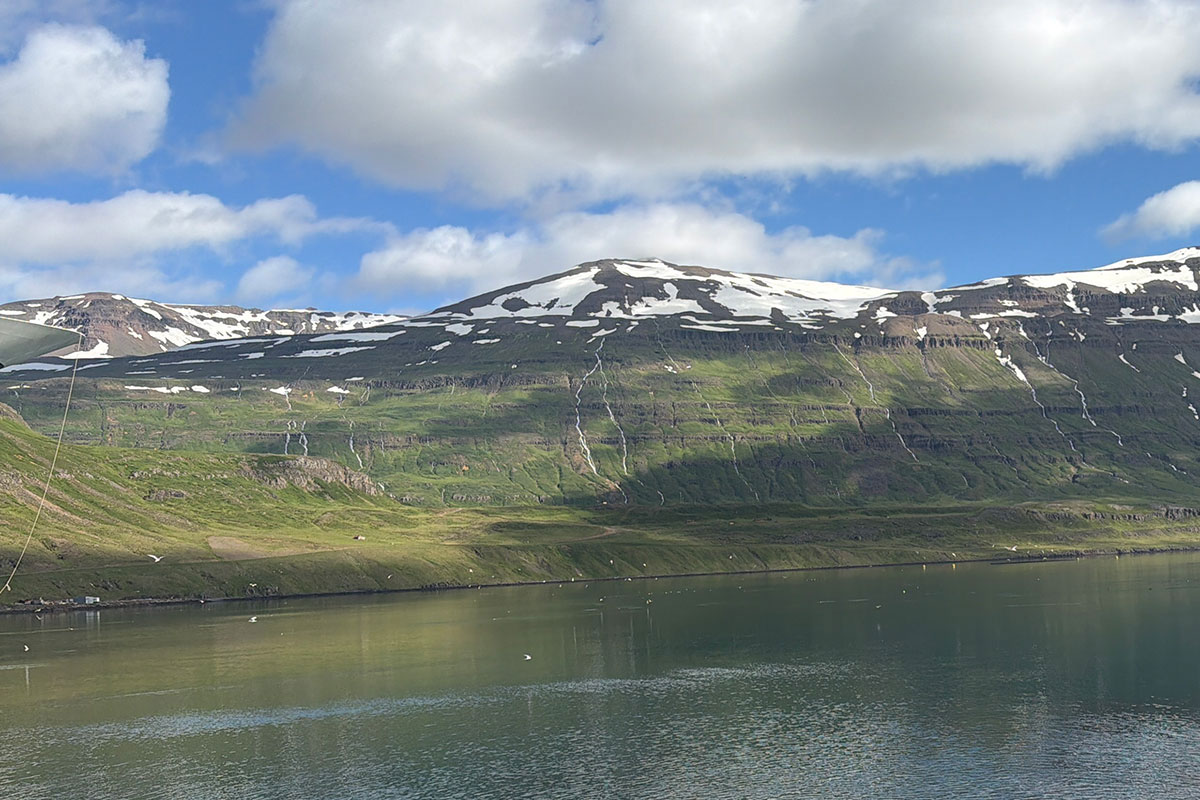
Before visiting this bucket list island, I spent months researching the country and what to expect. Even so, there were plenty of things that surprised me about Iceland once we actually got there. We recently spent 10 days in Iceland, including a 7-day cruise around the island with stops at several different ports, giving us the chance to experience everything from Reykjavík to tiny fishing villages.
In this article, I’ll share 15 things that genuinely surprised me about visiting Iceland. Some were pleasant surprises, others were things I wish I had known beforehand, but all of them helped make the trip memorable. If you’re planning your own visit, I hope these observations help you know what to expect before you go.
1. Apple Pay was the main method of payment everywhere
Before visiting Iceland, I wasn’t sure how much cash I’d need, so I brought about $100 USD just in case, along with my credit cards. As it turned out, I never needed the cash. Every place I visited accepted and even preferred Apple Pay, from restaurants and souvenir shops in Reykjavík to small businesses in tiny ports like Seyðisfjörður and Djúpivogur.
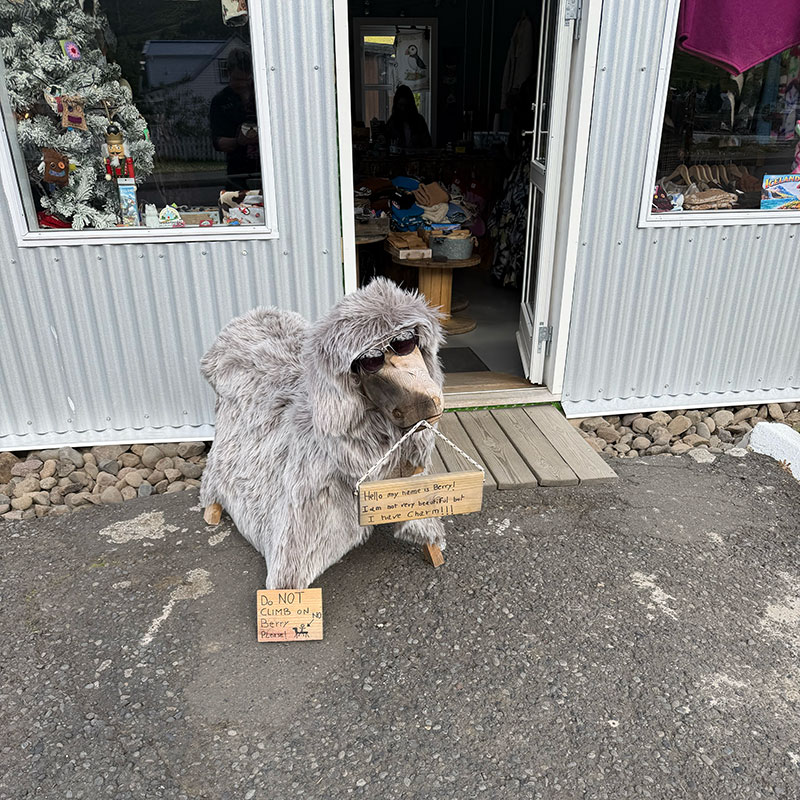
Paying was as simple as tapping my iPhone on the payment terminal. One tip: if you’re given the option of paying in U.S. dollars or Icelandic króna (ISK), always choose ISK. Let your credit card issuer handle the currency conversion, as you’ll usually get a better exchange rate.
2. It really is cold and rainy almost every day in the summer
Before packing for Iceland, I wasn’t completely convinced that summer would actually be that cold. I kept checking the weather in Reykjavík before the trip and saw highs in the mid-50s almost every day. Coming from Tennessee, I figured that didn’t sound too bad since we occasionally get weather like that too. What I didn’t account for was the combination of constant wind, frequent rain, and cloudy skies. A temperature in the 50s feels much colder when you’re standing outside in those conditions.
I realized this almost immediately after getting off the plane. Even before I had easy access to the warmer clothes in my luggage, I was glad I had worn jeans, sneakers, a long-sleeve shirt, and a hoodie on the flight. Coming from 90-degree Tennessee weather, the change was a shock. If you’re visiting Iceland in the summer, don’t underestimate the weather. Pack plenty of layers and a waterproof jacket, because Reykjavík stays chilly most of the season. Interestingly, some of the northern ports we visited, like Seyðisfjörður, were much milder, with sunny skies and temperatures in the mid-60s.
3. No one expects you to tip them like in America
In Iceland, you can pretty much expect not to be bothered with gratuity or tipping. Prices are generally higher to account for employees earning a living wage, so while tipping is appreciated in some situations, it isn’t expected the way it is in the United States. As an American, this was one of the biggest cultural differences we noticed. In the U.S., leaving no tip at a sit-down restaurant is generally considered rude because servers often rely on tips to make up a large portion of their income.
Whether we were at a restaurant, coffee shop, or another business, we were never prompted to leave a tip. When paying with Apple Pay or a credit card, the payment terminal simply processed the transaction and that was it. One evening we ate at a pizza restaurant near our hotel in Reykjavík, and when we finished, the server brought over the card reader. I tapped my phone once with Apple Pay, he thanked us for coming in, and we walked out. No tip screen, no awkward moment deciding what percentage to leave. It was refreshingly simple. That said, I did leave a tip a few times during our trip, but only because I genuinely felt the person had gone above and beyond. In Iceland, tipping feels like a true reward for exceptional service rather than something that’s expected every time you eat out.
4. Everything is very expensive
5. Reykjavík is the largest city by far
I knew Reykjavík was Iceland’s largest city before visiting, but I still wasn’t prepared for just how much larger it felt than everywhere else we went. While Iceland has several other cities, including Akureyri (about 20,000 residents), Reykjanesbær (about 20,000), and Akranes (around 8,000), Reykjavík is the only city in the country with a population of more than 100,000 people. It truly serves as Iceland’s cultural, commercial, and transportation hub.
Outside of Reykjavík, much of Iceland consists of small fishing villages and quiet port towns, some with only a few hundred residents. After spending time in places like Seyðisfjörður and Djúpivogur, returning to Reykjavík felt like going from a tiny hometown where Walmart is the biggest attraction to a major city. It’s not New York City by any means, but after experiencing Iceland’s smaller communities, Reykjavík suddenly feels much bigger and livelier than you might expect.
6. The geothermal baths really are rejuvenating
I had always wanted to experience one of Iceland’s famous geothermal baths, so when we booked our cruise excursions, we decided to visit two of them instead of just one. It ended up being one of the highlights of the trip. Before entering the first bath, I was feeling a little travel sick and just generally not at my best. I was going to push through the day regardless, but after soaking in the warm geothermal water, I genuinely felt refreshed and much better. It was like relaxing in a giant outdoor swimming pool, except the water was naturally heated by Iceland’s geothermal activity beneath the ground.
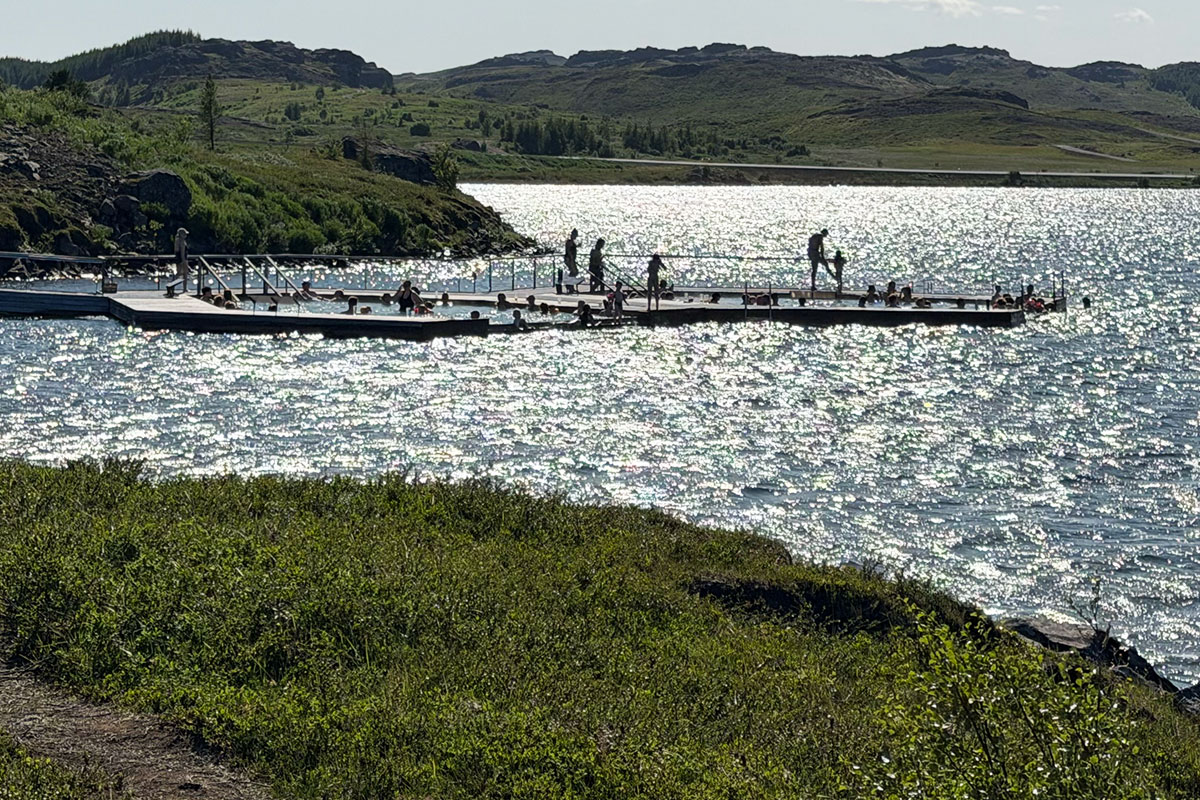
We visited both Earth Lagoon near Ísafjörður and Vök Baths near Egilsstaðir. Each had its own unique atmosphere, and I enjoyed both for different reasons. If you’re trying to decide whether a geothermal bath is worth the money, my answer is absolutely yes. It’s one of those experiences that feels uniquely Icelandic, and I’d happily do it again on a future visit.
7. The beauty of the fjords and landscapes is hard to describe
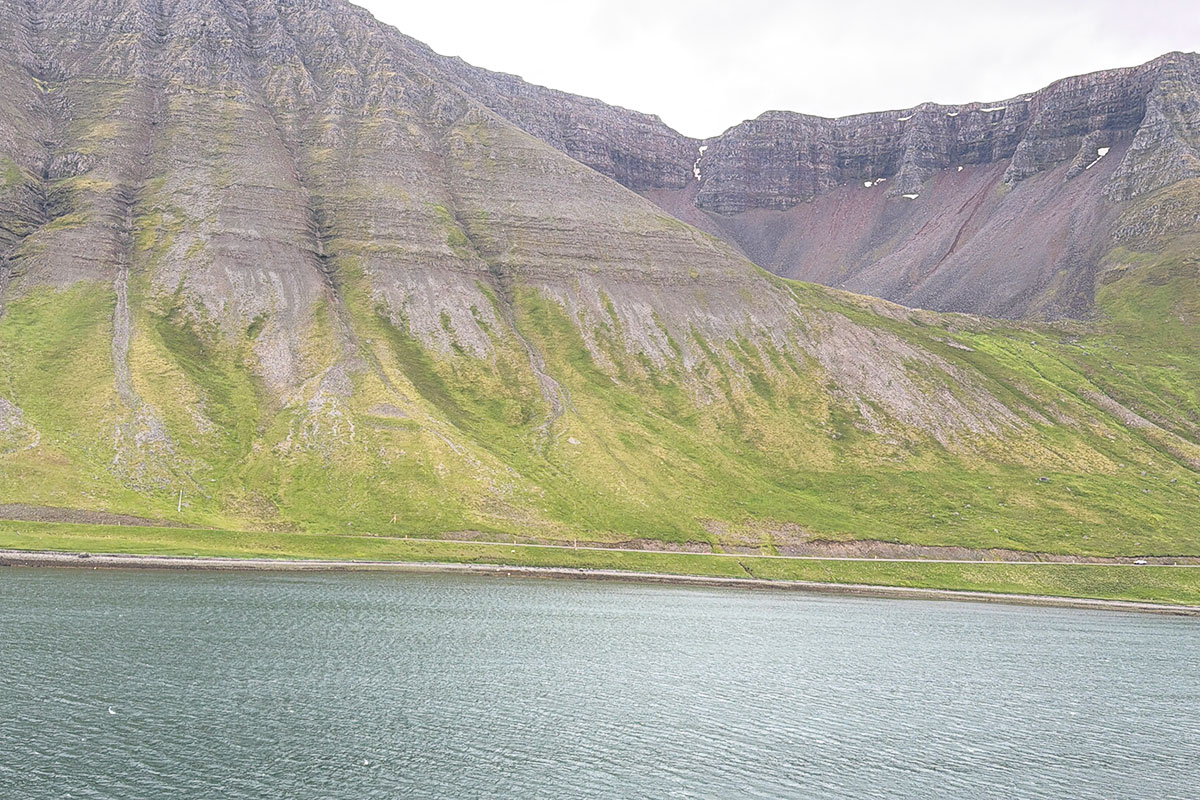
Before visiting Iceland, I’ll be honest, I had heard the word “fjord” plenty of times but had never really taken the time to learn what one actually was. A fjord is essentially a long, narrow inlet where the ocean stretches inland between steep mountains that were carved out by glaciers thousands of years ago. Knowing the definition is one thing, but seeing one in person is something else entirely.
The sheer size and beauty of Iceland’s fjords are difficult to describe. During the summer, the mountains are covered in vibrant green vegetation, with countless waterfalls spilling down the cliffs into the water below. If you’re visiting Iceland on a cruise, you’ll likely sail through these fjords on the way to several ports. Waking up in the morning, opening your curtains, and seeing towering mountains rising on both sides of the ship is an unforgettable experience and one of the highlights of the entire trip.
8. There are actually lots of black flies in some places
Before visiting Iceland, I wasn’t expecting to encounter many insects. If you’re spending most of your time in Reykjavík, you probably won’t, although we did see a few there. But once you get out into the countryside, especially in South Iceland around waterfalls and areas with lush vegetation, that can change quickly. We also noticed large numbers of black flies around the Geysir geothermal area and at several waterfalls, including Goðafoss.
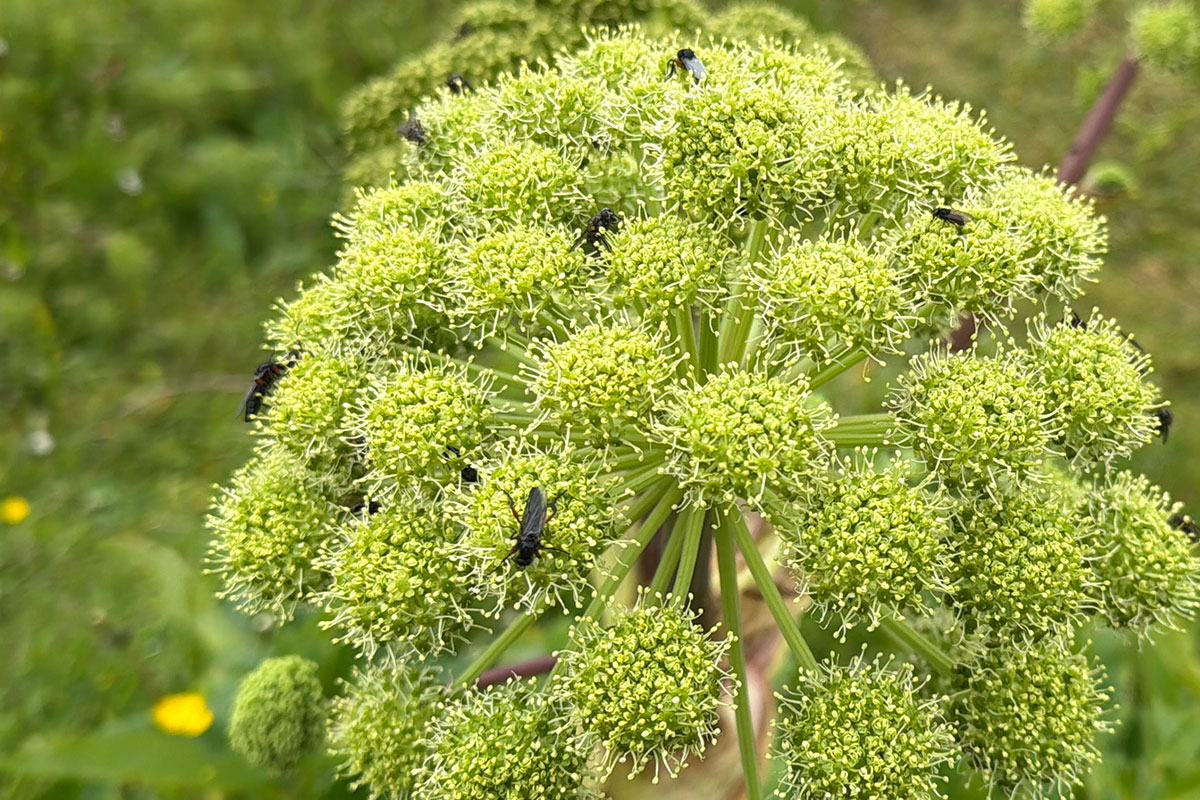
The flies seem to gather anywhere there’s plenty of moisture and certain types of vegetation. At times there were so many that I genuinely recommend keeping your mouth closed while walking through some of these areas. It wasn’t enough to ruin the experience, but it was definitely something I wasn’t expecting. If you’re planning to spend a lot of time outdoors, just be prepared that some of Iceland’s most beautiful places can also have plenty of tiny flying companions.
9. There were more seabirds than I was expecting
As bird lovers, we already knew Iceland was home to more than 100 bird species, many of them seabirds. Even so, I wasn’t prepared for just how many birds we’d see during our trip. Nearly every port, harbor, lake, and stretch of coastline seemed to be filled with bird activity. We saw Atlantic Puffins, Arctic Terns, Common Eiders, Black-legged Kittiwakes, Northern Fulmars, European Shags, Common Ringed Plovers, and several species of gulls, along with plenty of ducks and other waterfowl. Even if you’re not much of a birder, it’s hard not to notice just how alive Iceland’s coastlines are.
Some of these birds are especially fascinating. Atlantic Puffins are one of Iceland’s biggest wildlife attractions and spend most of their lives out at sea, only coming to land during the breeding season. Arctic Terns are famous for making the longest migration of any bird on Earth, traveling from the Arctic all the way to Antarctica and back each year, and they aren’t afraid to dive-bomb people who wander too close to their nests. Iceland is also one of the best places in the world to see Common Eiders, whose incredibly soft down feathers have been sustainably collected for centuries. If you enjoy birds or wildlife photography, Iceland is an amazing destination that offers far more birdlife than I ever expected.
10. The downtown shopping district of Reykjavík was smaller than I expected
Before visiting Reykjavík, I imagined the downtown area would be much larger than it actually was. We stayed right in the heart of the city, so we were within walking distance of just about everything. Over the course of a few days, we walked Rainbow Street several times, visited Hallgrímskirkja, explored the surrounding streets, browsed the shops, and wandered through nearby neighborhoods. It’s certainly a nice area with plenty of restaurants, cafés, and souvenir shops, but I was surprised by how quickly we felt like we had seen most of it.
It’s entirely possible we missed a few attractions, and we weren’t trying to check every single thing off a list. But if you’re mainly interested in the downtown core, you can comfortably explore it in a day. I think what surprised me most is that Reykjavík feels more spread out than concentrated into one large downtown district. The city itself covers a much larger area than the walkable tourist center might suggest, with residential neighborhoods, businesses, and attractions extending well beyond the streets that most visitors spend their time exploring.
11. It pretty much never gets dark at night in the summer
I probably should have been more prepared for this. I have been to Alaska in the summer before, where the days are incredibly long, but I still underestimated just how much daylight Iceland gets. During the summer, it never really gets dark. Instead of nighttime, you get what feels like an endless evening, with enough daylight outside that your brain never quite believes it’s time to sleep. My advice is to close every blackout curtain you have and do your best to make your room as dark as possible so you can at least simulate nighttime conditions.
Even then, I never fully adjusted. Once we boarded our cruise ship, I found myself waking up during the night, stepping out onto our balcony, and looking across what looked like a normal daytime ocean. I kept hoping I’d spot a whale tail in the distance, but no luck. You may adapt to Iceland’s endless summer daylight much better than I did, but it was definitely one of the most surprising parts of the trip.
12. The roads are very simple, and the locals drive fast
The roads in Iceland were a little different than I expected. There wasn’t much in the way of large interstate-style highways like we’re used to in the United States. There are some larger roads, such as the route between Keflavík Airport and Reykjavík, but once you leave the city you’ll spend most of your time on simple two-lane roads. One thing you definitely notice is the number of roundabouts. They seem to be everywhere. Our cab driver even told us there’s an Icelandic joke that the person who designed all the roads is called the “Lord of the Rings.” I had to laugh at that one.
As a passenger, I have to admit the driving style made me a little nervous at times. Traffic generally moved much faster than I expected, and there were plenty of bumpy roads and potholes along the way. I also noticed that Icelandic drivers seemed much more comfortable driving around pedestrians than we are in the United States. Here, if someone is walking through a parking lot, most drivers slow down and wait. In Iceland, drivers often just continue around them, seemingly trusting that the pedestrian isn’t going to suddenly step in front of the vehicle. It felt like there were a few close calls, but in the end we made it through the trip without any problems, so I guess they all know what they’re doing.
13. The hot dogs were good, but overhyped
Before our trip, I had heard all about Bæjarins Beztu Pylsur, Reykjavík’s famous hot dog stand, so trying one became a bucket list item. As it turned out, the stand was located right outside our hotel, and we could see it from our window the entire time we were there. One afternoon around 2 p.m., we finally decided to walk over and see what all the hype was about. There was a long line, just as I expected, but it moved surprisingly fast, and after about 30 minutes we each had one of Iceland’s famous hot dogs.
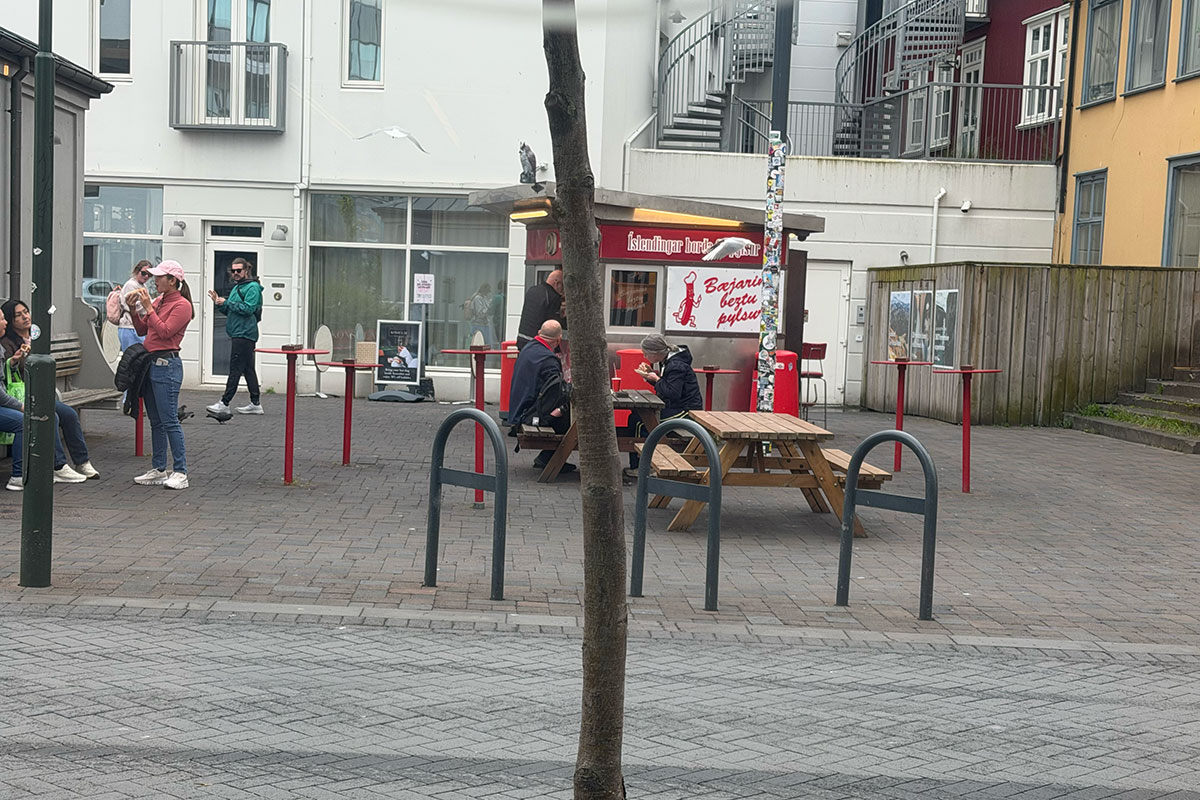
Unlike the all-beef hot dogs many of us are used to in the United States, Icelandic hot dogs are made from a blend of lamb, pork, and beef. The casing had a firmer “snap” that reminded me a little of kielbasa, and ordering it “with everything” included crispy onions, raw onions, sweet brown mustard, ketchup, and a remoulade-style sauce. Overall, it was a good hot dog, and I’m glad I tried it. But if I’m being honest, it was also just another overhyped food. It was just a hot dog. If you’re visiting Reykjavík, I think it’s worth trying once just for the experience, but keep your expectations in check.
14. Seyðisfjörður was breathtakingly beautiful
Seyðisfjörður ended up being my favorite port of the entire trip, and not just because it was the only day we enjoyed sunshine and temperatures around 65 degrees. The town itself was incredibly picturesque, surrounded by towering mountains and a beautiful fjord that seemed to stretch on forever. Around the harbor, there were several small shops, cafés, and places to grab a drink or a souvenir, all within easy walking distance. I even spotted a business renting bicycles out of a converted old bus, which was a fun touch that fit the town’s personality perfectly.
We spent our time wandering through town, walking the famous rainbow street to the iconic blue church, browsing the local shops, and simply taking in the scenery. Everywhere we looked there was another postcard-worthy view, whether it was the colorful houses, the waterfalls spilling down the mountainsides, or the peaceful harbor. Of all the places we visited around Iceland, Seyðisfjörður was the one that made me think, “I could spend another day here.” If I ever return to Iceland, it will definitely be one of the first places I visit again.
15. Taking an e-scooter to see the puffins wasn’t a stroll in the park
Seeing puffins up close was one of the biggest bucket list items for our trip, so when Viking offered an e-scooter excursion to a nearby puffin colony, we jumped on it. The excursion actually sold out for a while, but I happened to check again closer to our cruise date and found two openings. We grabbed them immediately, imagining an easy, relaxing ride through the Icelandic countryside. In our minds, we’d casually scoot over, take some photos of puffins, and be back before lunch.
Reality had other plans. It was cold, raining, and incredibly foggy. Neither of us had much experience riding e-scooters, and we had no idea how far the destination actually was. The route took us up a winding mountain road with little or no shoulder and, in some places, no guardrails. Looking back, it’s become a running joke that we “almost died going to see puffins.” That’s a bit of an exaggeration… but not by much. Thankfully, we made it there safely and came home with some incredible puffin photos. If you book a similar excursion, just know that it may be much more adventurous than the description makes it sound.
Hi, I’m Jesse. I created this site to share honest, first-hand travel experiences and practical tips from the places I’ve visited. My goal is to help you plan better trips by sharing the little details that many travel guides leave out.